
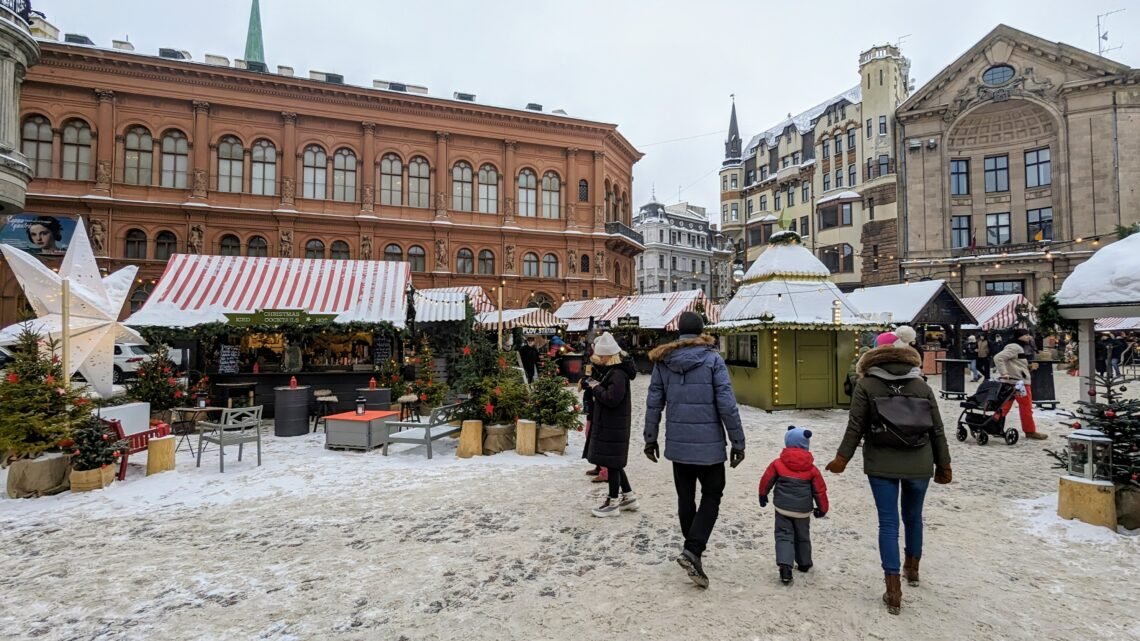
Christmas in the Baltic Capitals: Essential 3-City Itinerary
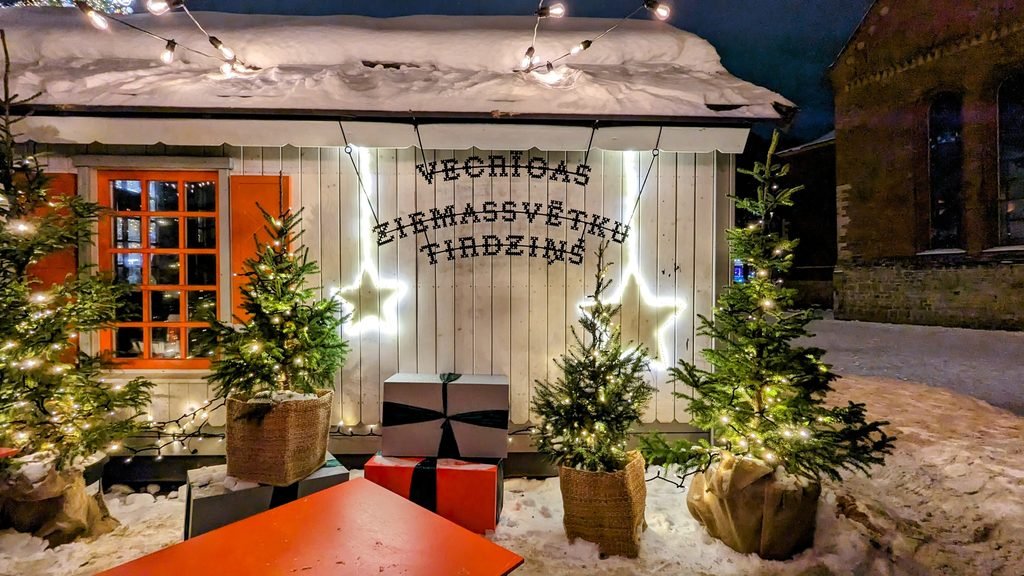
A winter trip through Tallinn, Riga, and Vilnius is the most enchanting way to discover the Baltic States. It offers medieval old towns, elegant architecture, festive Christmas markets, and comforting local cuisine.
In my opinion, these are among the most beautiful Christmas markets I have ever visited. The attention to detail, the snowy backdrop, the carollers, and the fantastic food create the perfect holiday atmosphere. Who said Germany has the monopoly on the best Christmas markets?
Itinerary Overview
This itinerary suggests a classic route through all three Baltic capitals, giving you enough time to explore top attractions, sample local food, and truly soak in the winter vibe.
We recommend spending about 2 to 3 days in each city. You can easily travel between capitals by bus (such as Lux Express or FlixBus) or short internal flights. Alternatively, you can choose to visit them one at a time while adding day trips into the surrounding countryside.
How to Prepare for the Winter Weather?
Between November and February, temperatures can drop well below freezing, accompanied by short daylight hours, snow, and cold winds.
Average Temperatures:
- November: Between 0°C and 4°C (32°F – 39°F) as early frosts and light snow begin to appear.
- December: Between -3°C and 1°C (26°F – 34°F), turning the cities into cozy winter wonderlands.
- January & February: The coldest months, averaging -7°C to -1°C (19°F – 30°F), with freezing spells occasionally dropping to -15°C or -20°C (5°F to -4°F).
- What to wear: Pack layered thermal clothing, waterproof boots with good grip, and warm accessories (gloves, beanie, pocket hand warmers).
- Daylight tips: Daylight hours are limited during winter. My golden rule is to wake up early and make the most of the central hours of the day for outdoor sightseeing!
A Little Winter Secret:
Don’t let sub-zero temperatures intimidate you! When it snows, the air actually feels milder and more comfortable. The scene remains inviting, even when winter winds rise. Warm gloves, scarves, and cheer help you stay comfortable. Your footsteps crunch softly on fresh snow.
The cloud cover acts like a thermal blanket, buffering the biting wind. Strolling through the festive wooden market stalls during a gentle snowfall is a pure, magical winter experience. Holding a warm cup of mulled wine while the snow mutes the sounds of the city.
Experiencing Baltic Christmas markets adds an extra layer of charm to the season. Their cosy stalls, lights, and aromas invite you to linger and enjoy. With friends or family, you can savour hot drinks and festive treats. The ambience makes winter evenings feel brighter and more memorable.
Market Dates & Best Time to Visit:
Baltic Christmas markets typically open in late November, around November 20th–25th, and run through the first week of January. They often stay open until January 6th–7th, to encompass Orthodox Christmas celebrations.
- The sweet spot: The first two weeks of December offer the ultimate experience-snowy backdrops, fully operational stalls, vibrant festive lights, and fewer crowds than the peak Christmas and New Year’s weekends.
The Three Stops
1. Estonia: Tallinn Christmas Market (Raekoja Plats)
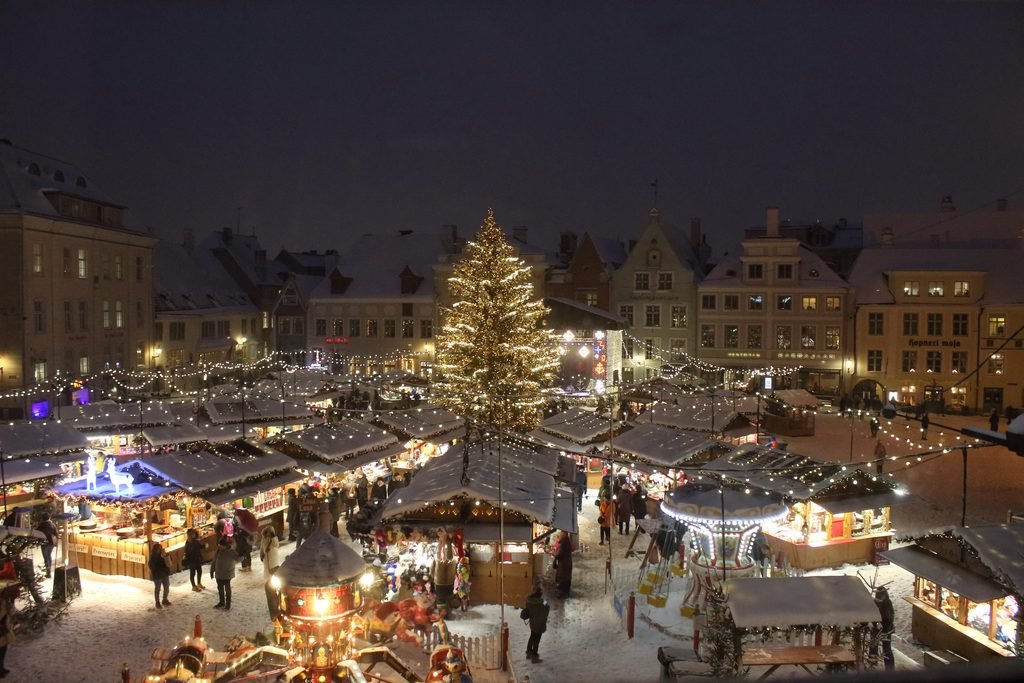
Tallinn’s Christmas market (Tallinna Jõuluturg) takes place in the fairy-tale-like Town Hall Square (Raekoja Plats).
Beyond the Main Square: Do not limit yourself to Raekoja Plats. The entire Old Town lights up during the holidays. Stroll down to Vabaduse Väljak (Freedom Square) and wander through the parks surrounding the medieval city walls, such as Tornide väljak, which are transformed into magical outdoor light installations. Focus: Baltic Christmas markets.
Tree Tradition: Tallinn and Riga have a friendly rivalry over who hosted the world’s first public Christmas tree. According to Estonian tradition, the Brotherhood of Blackheads erected the first tree in Town Hall Square back in 1441.
What to Eat & Drink: Tallinn boasts Europe’s widest selection of Glögi (spiced mulled wine)-from Setomaa raspberry-blackcurrant to medieval recipes and alcohol-free pumpkin versions. Pair your drink with traditional blood sausages and sauerkraut, or gourmet options like elk sausages, duck confit, and slow-cooked pork belly. For a sweet treat, stop by the Sweet House for freshly baked cinnamon and cardamom buns or artisanal gingerbread.
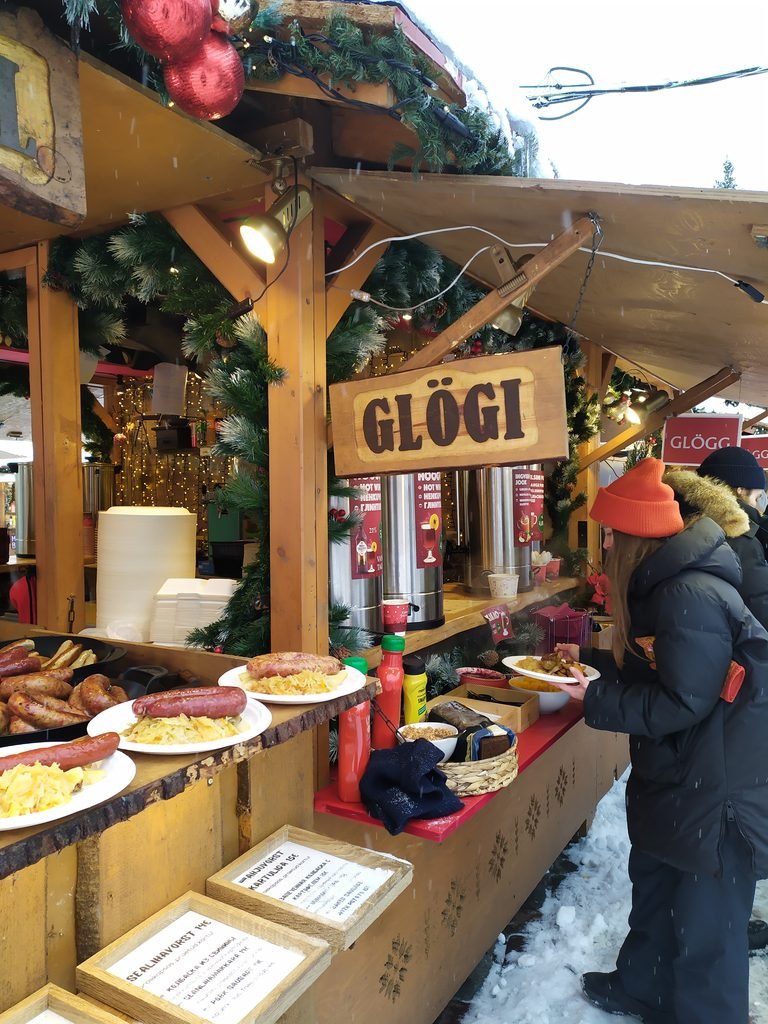
Eco-Friendly Travel Tip: The market uses a sustainable reusable tableware system. You’ll pay a €2 deposit, which is fully refunded when you return your cup or plate to the collection point.
Festive Vibes: The market stays open through New Year’s Eve all the way to Epiphany (January 6th). Kids can visit Santa Claus in his cozy cottage daily from 12:00 PM to 6:00 PM or enjoy classic wooden carousels.
Want to discover what to see in Tallinn beyond the markets and where to eat local food? Read our full Tallinn Travel Guide.
2. Latvia: Riga Old Town Christmas Market (Doma Laukums)
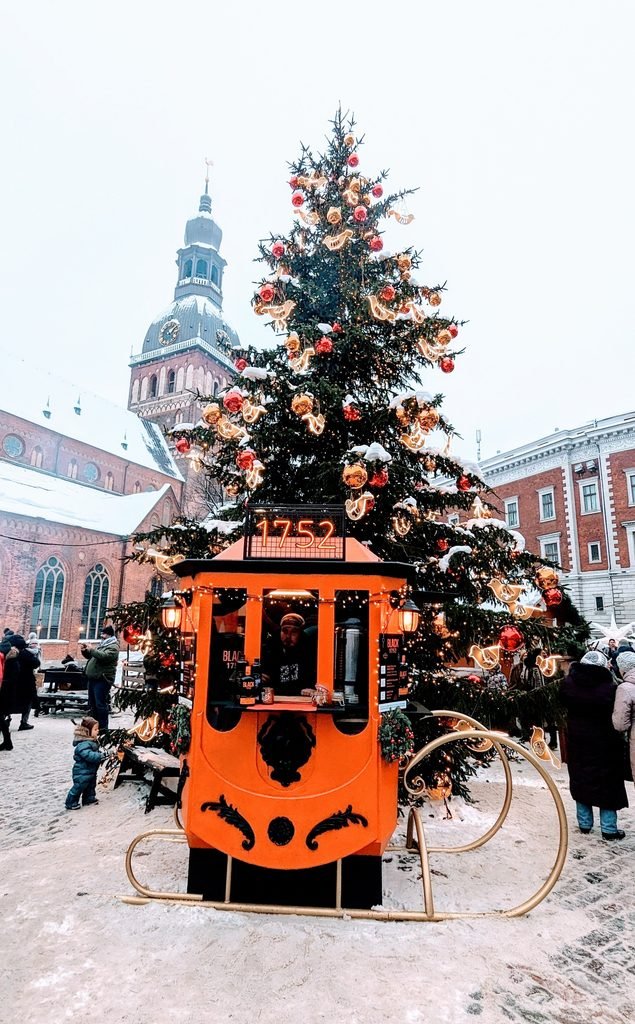
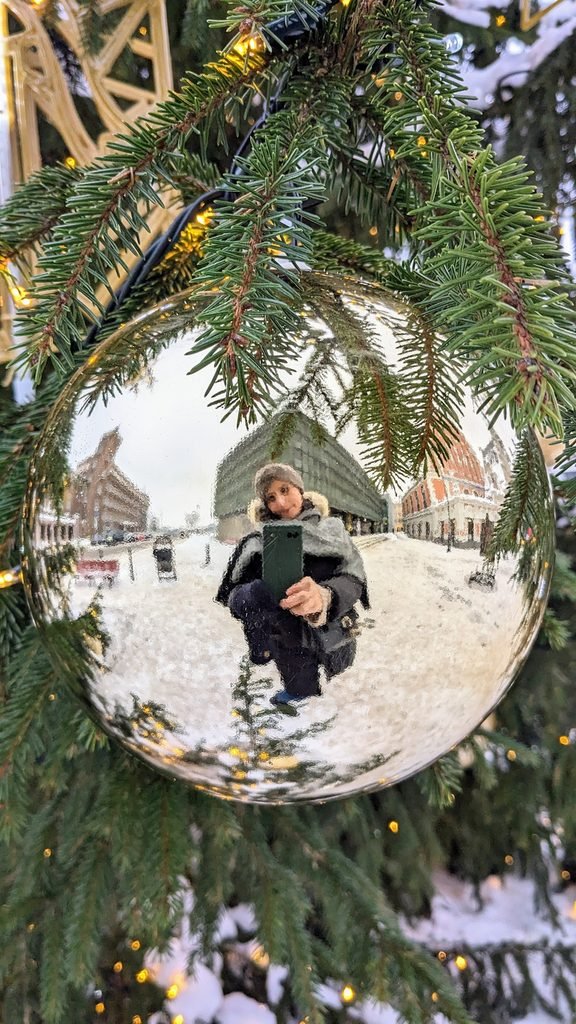
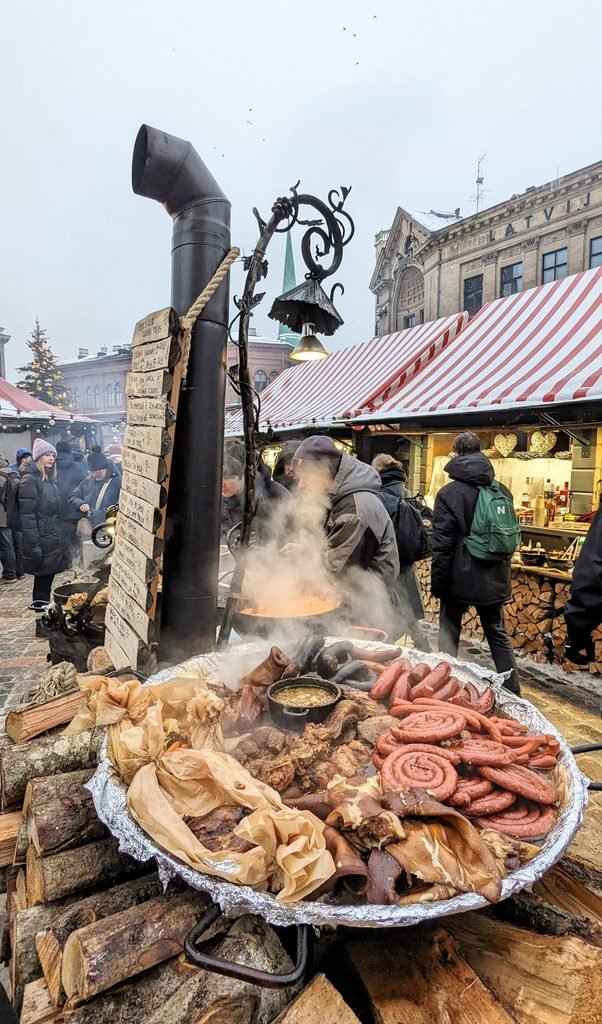
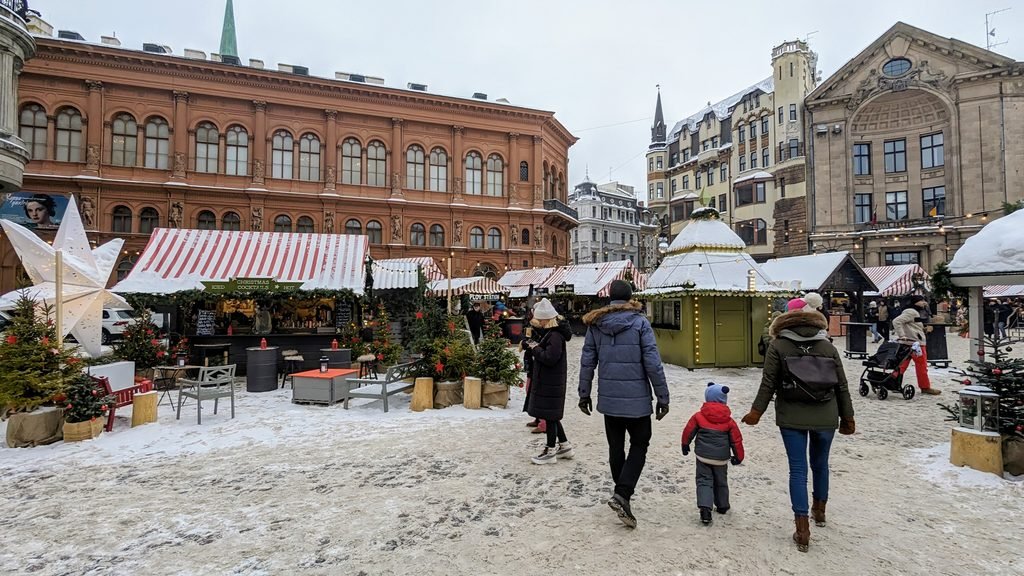
Located in the heart of the Old Town at Dome Square (Doma Laukums), Riga’s Christmas market (Vecrīgas Ziemassvētku Turgsis) packed with charm, artisan crafts, and rich spicy aromas.
Beyond the Main Square: Besides the primary market in Dome Square, you’ll find charming stalls at Līvu Square and in Esplanāde Park (famous for its holiday bunny village!). Make sure to walk through Bastejkalns Park along the canal, where trees and bridges are illuminated with fairy-tale light sculptures.
Tree Tradition: Riga proudly claims its own history with a stone marker in Town Hall Square (Rātslaukums), commemorating what they hold to be the world’s first decorated Christmas tree in 1510.
What to Eat & Drink: Try piparkūkas (traditional Latvian gingerbread cookies) and a cup of hot Riga Black Balsam to keep the winter chill away.
Flavours & Handcrafted Gifts: Beyond mulled wine, roasted almonds, and hearty Latvian classics, stalls offer modern winter street food and signature cocktails. Local artisans sell cozy wool socks, beeswax candles, and unique DIY craft kits (such as door wreath making or candle casting).
Highlights & Entertainment: Kids can visit Santa’s house and mail letters straight to Lapland. The entertainment schedule offers something unique every day: live DJ sets on Fridays, choir performances on Saturdays, and traditional folk music on Sundays.
Opening Hours:
- Monday – Thursday: 11:00 AM – 9:00 PM
- Friday – Saturday: 10:00 AM – 10:00 PM
- Sunday: 10:00 AM – 9:00 PM
- Public Holiday Hours: Dec 24 (10:00 AM – 8:00 PM), Dec 25 (10:00 AM – 9:00 PM), Dec 26 (10:00 AM – 10:00 PM), Dec 31 / New Year’s Eve (10:00 AM – 2:00 AM), Jan 1 (12:00 PM – 8:00 PM).
Looking for restaurant tips, top attractions, and hidden spots in Riga? Read our full Riga Travel Guide.
3. Lithuania: Vilnius Christmas Market & Tree (Cathedral Square)
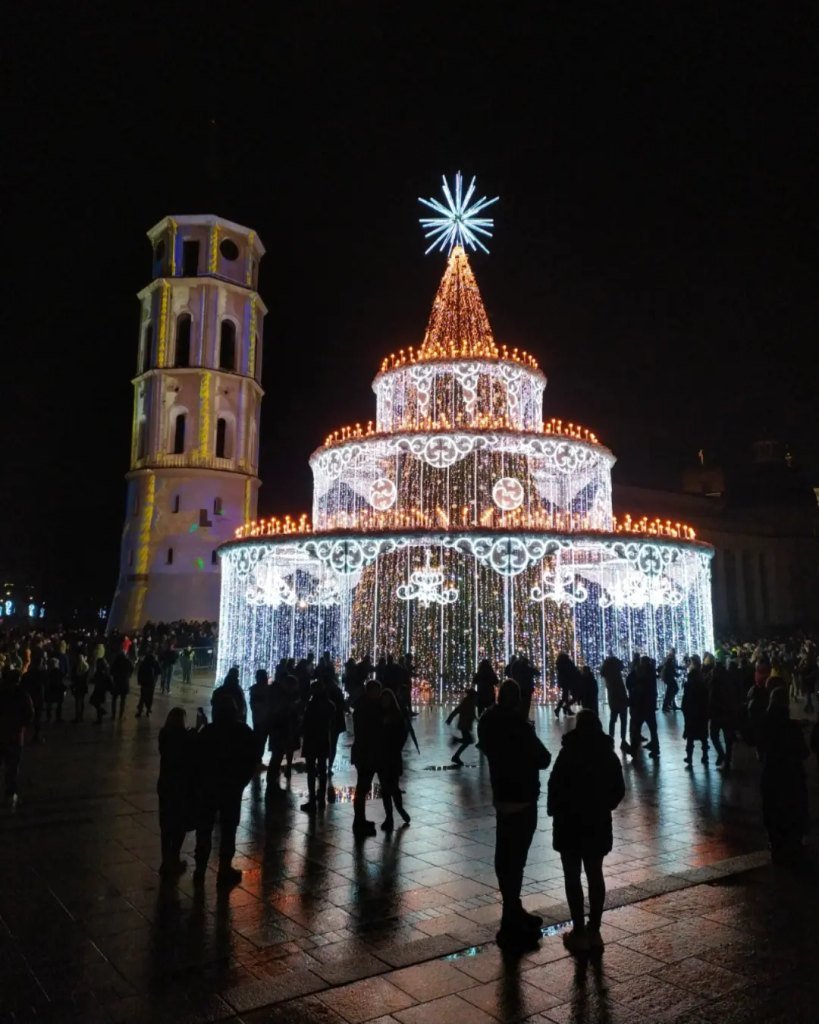
Vilnius transforms the entire capital into a 5-to-6-week winter festival called Vilniaus Kalėdos (“Christmas in Vilnius”). The celebrations launch in late November with the grand lighting of the Christmas tree and run through the Feast of the Three Kings (Epiphany, January 6th).
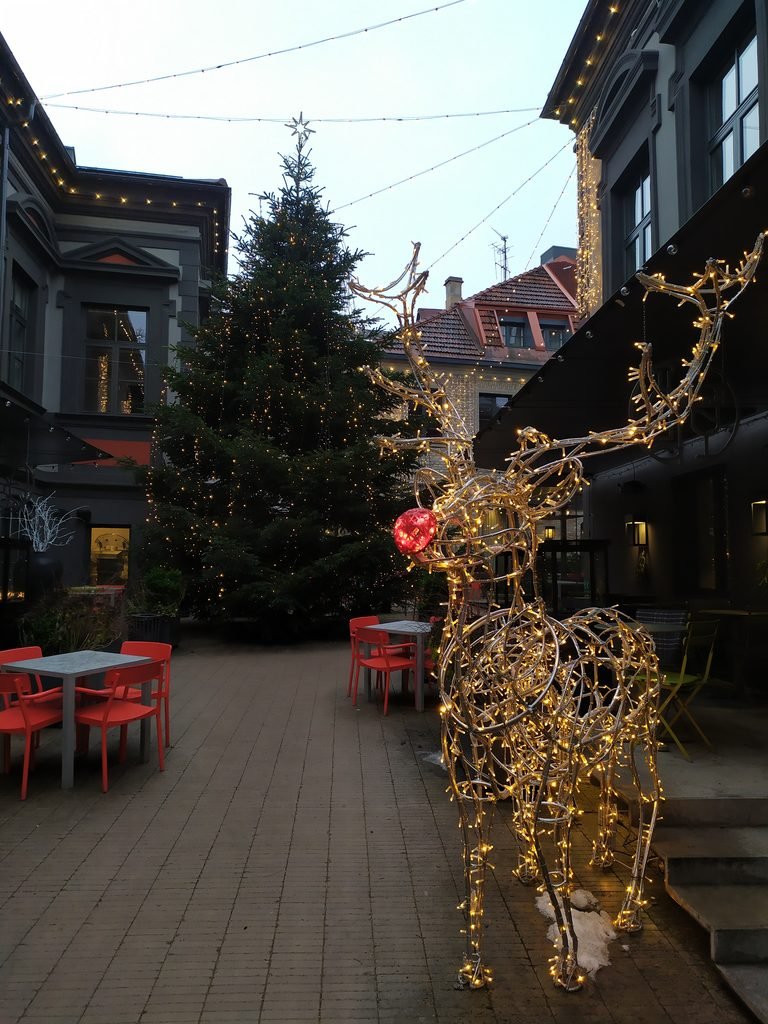
Beyond the Main Square: A second, more intimate market is set up at Town Hall Square (Rotušės aikštė) with stylish glass-domed stalls. Main avenues like Gedimino Prospektas and nearby parks (such as Bernardinai Garden) sparkle with elaborate winter illuminations.
Tree Tradition: Rather than ancient history, Vilnius focuses on modern design. Each year, the tree in Cathedral Square is a world-renowned, massive artistic installation designed around a specific theme, creating a light canopy over the market stalls.
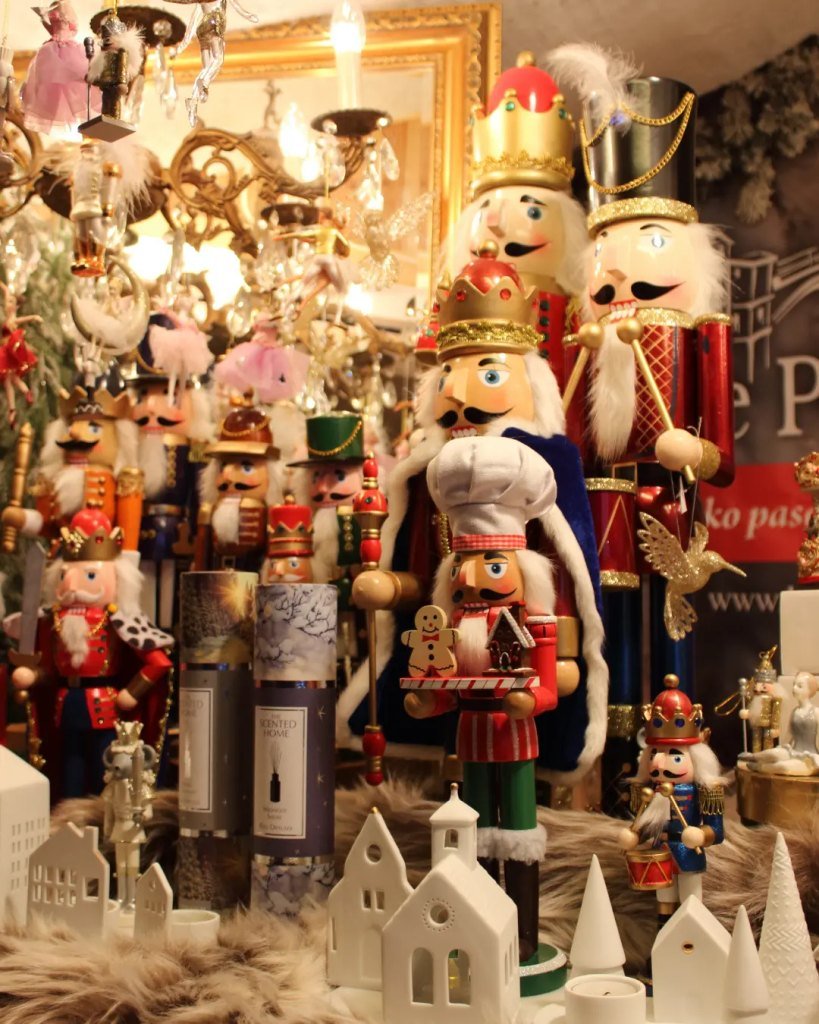
What to Eat & Drink: Sample Kūčiukai (traditional small poppy seed pastries) and warm honey liqueur (Krupnikas) as you stroll through the stalls. The market stalls are the premier spot to shop for genuine Baltic amber jewelry, warm woolens, and handmade crafts.
Want to explore the bohemian district of Užupis and find the city’s coolest spots? Read our full Vilnius Travel Guide.
A Special Tip: Churches and Bell Towers
If you get the chance, don’t skip the local churches! During the Christmas season, you might stumble upon atmospheric choir performances or carollers singing right outside on the steps.
Furthermore, church bell towers (especially in Riga and Vilnius) offer some of the most breathtaking panoramic views over the snow-covered rooftops.
Practical Travel Tips
Payments at the Markets: Cards or Cash?
The Baltic capitals are among the most digitised in Europe. At almost every Christmas market stall, you can easily pay using contactless credit cards, Apple Pay, or Google Pay, even for small purchases like a single cup of glögg.
However, it’s always smart to keep €10–€20 in small bills or coins in your pocket. Cash comes in handy for quickly handling the €2 cup deposits at return stations and for buying handmade crafts from small, traditional artisan stalls. (Note: All three Baltic states use the Euro, so there are no currency conversion hassle for Eurozone travellers).
Booking vs. Spontaneity: While booking accommodation in advance is generally recommended for the festive peak, last-minute deals do happen! A bit of luck and flexibility can lead to great unexpected finds.
Planning: Keep in mind that museums may have shorter winter hours, and plan warm breaks in historic cafes, local saunas, or spas to recharge along the way.
Ready to Plan Your Baltic Winter Adventure?
Visiting the Baltic capitals in winter is a magical experience that proves you don’t need to brave massive holiday crowds to find true Christmas magic. Whether you are sipping spiced glögg under Tallinn’s fairytale lights, listening to live music in Riga’s Dome Square, or admiring Vilnius’s famous Christmas tree, these three cities will stay in your heart long after the snow melts.
Have you ever visited the Baltic Christmas markets, or are you planning your first trip this season? Let me know in the comments below, and don’t hesitate to ask if you need any extra tips for your itinerary!

You May Also Like
Chestnuts, Autumn, and Magic in Combai
Lucerne in One Day: A Fairytale Stop on the Water

Leave a Reply