
The Ultimate Guide to Bad Dürkheim’s Best Winery
During a crisp day off in February, I decided to explore Bad Dürkheim, a charming spa and wine town nestled along the famous German Wine Route (Deutsche Weinstraße) in the Pfalz region.
What I love about Germany’s wine regions is how deeply vineyards are woven into everyday life. They aren’t just landscapes; they are the heart of the local culture, history, and community. Even in the quiet of winter, when the vines are bare, these towns offer an intimate and peaceful perspective that you miss during the bustling harvest season.
Salt, Spas, and the Giant Barrel: Exploring Bad Dürkheim
Bad Dürkheim is a paradise for those who love slow travel, wellness, and, of course, great wine. Located at the edge of the scenic Palatinate Forest (Pfälzerwald), the town instantly embraces you with its relaxed, historic atmosphere.
As I walked through the town, three unique landmarks caught my attention:
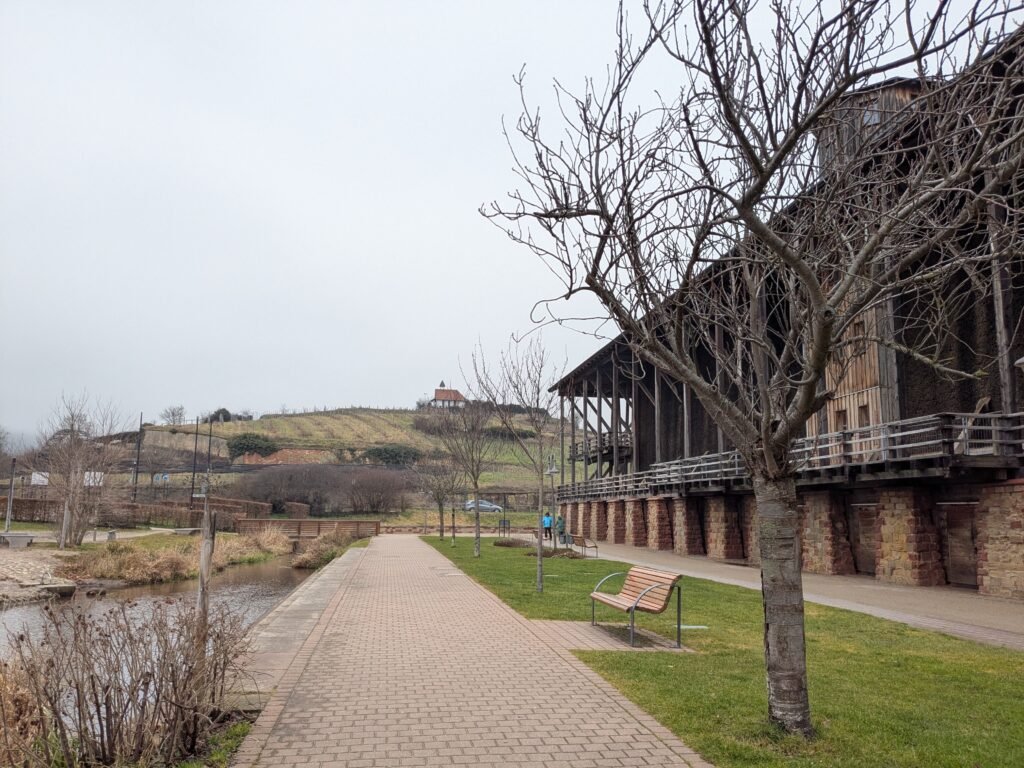
- The Gradierbau (Graduation Tower): One of the largest open-air inhalation structures in Germany. Originally built for salt production, today it functions as a giant open-air inhaler. Glistening saltwater drips down massive walls of brushwood, releasing mineral-rich micro-droplets. Walking alongside it and deeply inhaling the salty air feels like a sudden trip to the North Sea, an incredibly refreshing and health-boosting ritual, especially in the chilly February air.
- The Kurort Culture & Thermal Baths: Bad Dürkheim has been a recognised spa town (Kurort) for over a century, famous for its healing mineral springs. It is the perfect place to warm up after a winter walk, letting the warm, saline waters melt away the cold.
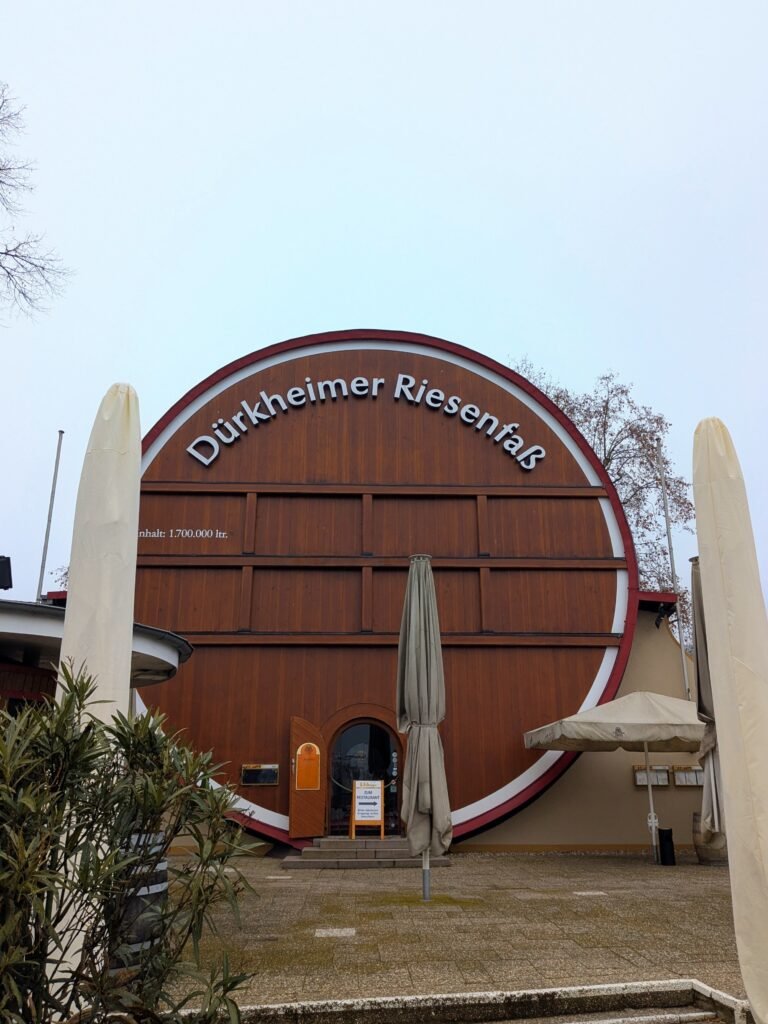
- The Dürkheimer Riesenfass (The Giant Barrel): You cannot miss this culinary landmark! It is literally the largest wine barrel in the world, measuring 13.5 meters in diameter. Although it has never actually held wine, it has housed a traditional multi-story restaurant since 1934. Enjoying a hearty Palatinate dish inside a giant monument dedicated to wine is a must-do experience.
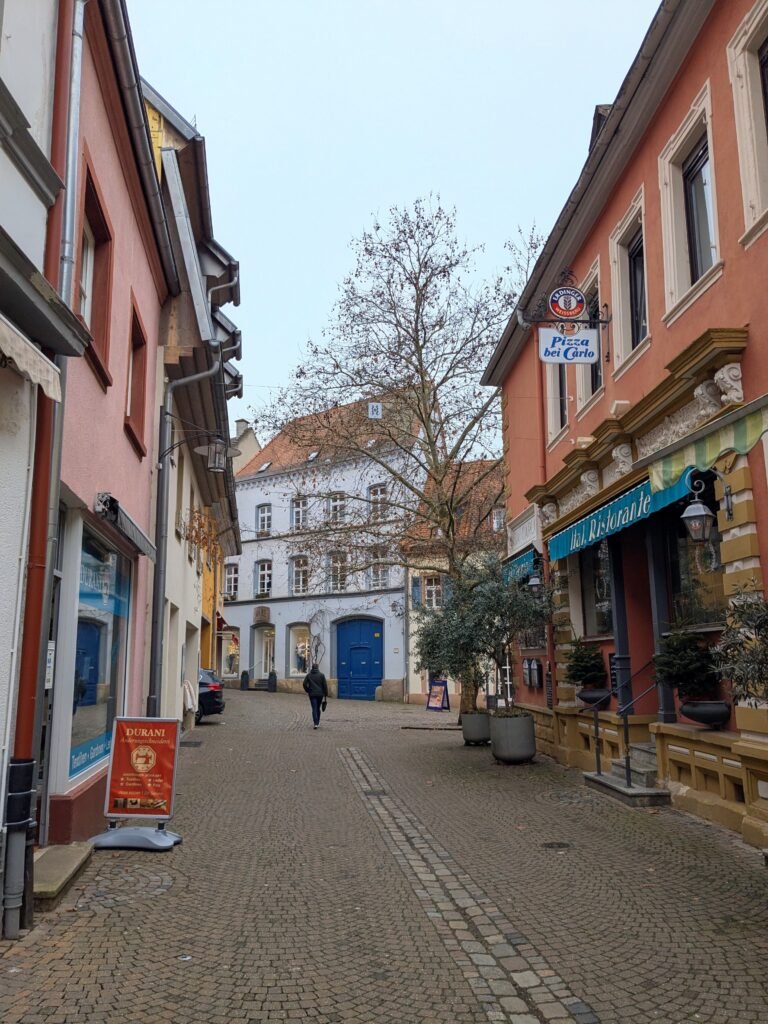
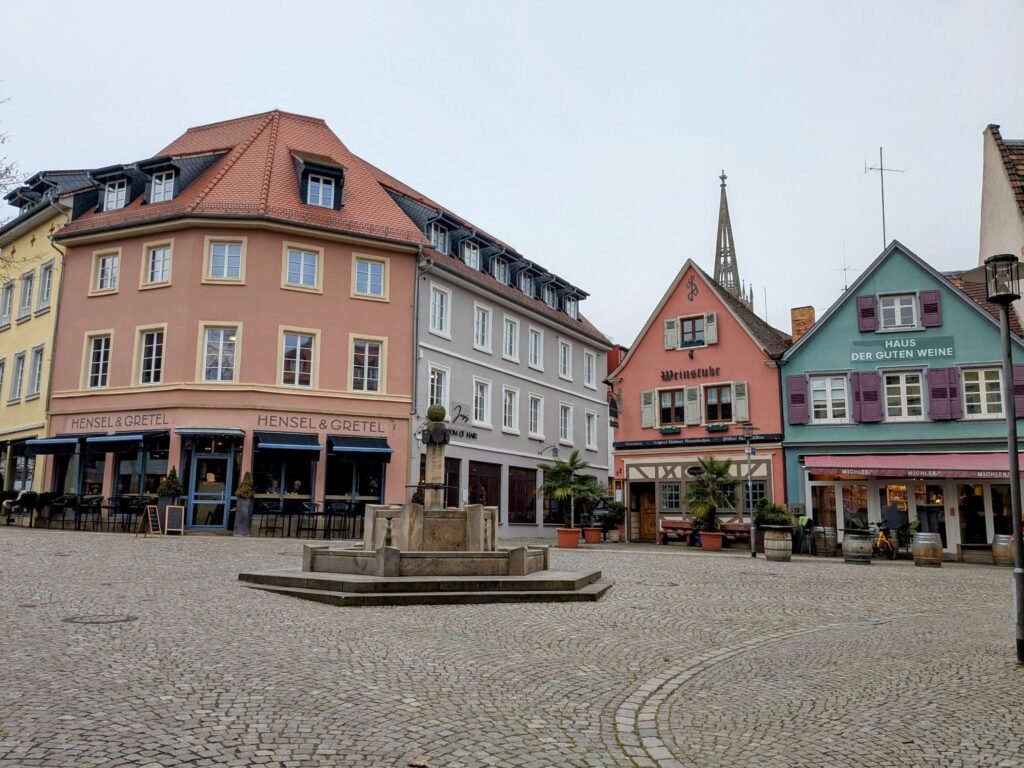
Bad Dürkheim is also home to the legendary Dürkheimer Wurstmarkt, celebrated in September as the world’s largest wine festival, but visiting in February allowed me to appreciate the town’s quiet streets, peaceful parks, and historic architecture without the crowds.
A Natural Transition to Wine Royalty
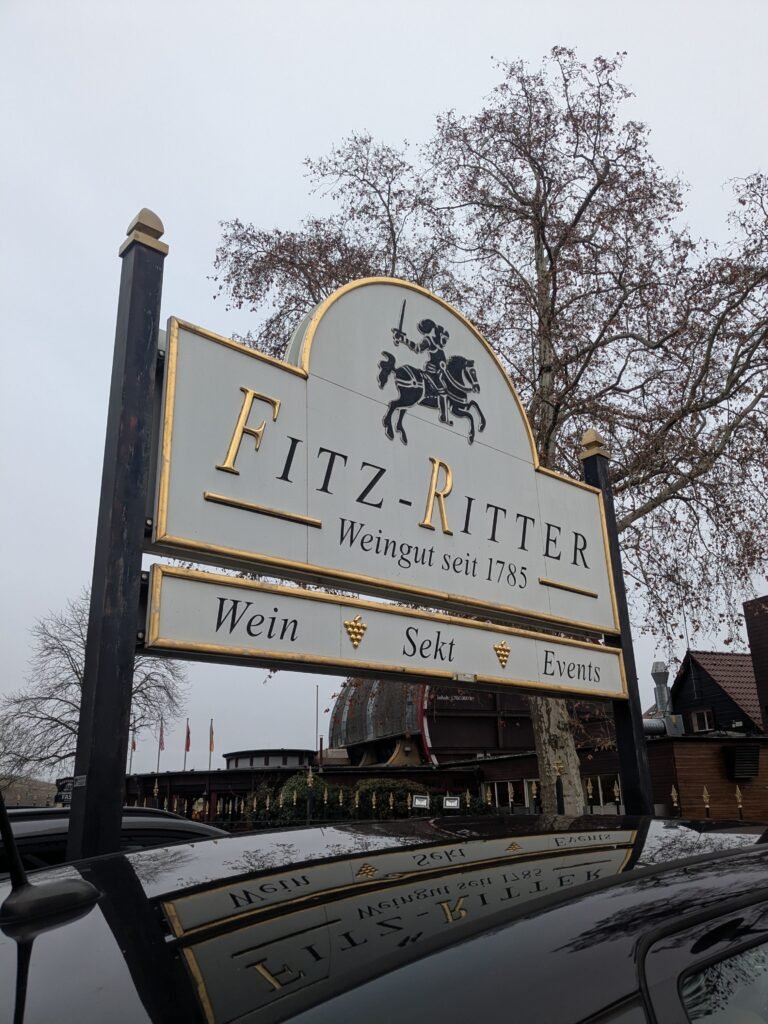
Of course, a visit to Bad Dürkheim could never be complete without discovering one of its historic wineries. Just a short walk from the town centre lies an estate that perfectly bridges the town’s rich past with the modern world of premium German wine-making: Weingut Fitz-Ritter.
Weingut Fitz-Ritter: Tradition, Revolution, and Sparkling Excellence
Founded in 1785, Fitz-Ritter is a historic landmark in the Pfalz. As a founding member of the prestigious VDP (Verband Deutscher Prädikatsweingüter), the estate is synonymous with top-tier quality. Interestingly, it is also home to one of Germany’s oldest sparkling wine cellars (Sektkellerei), crafting exceptional sparkling wines using the traditional method since 1837.
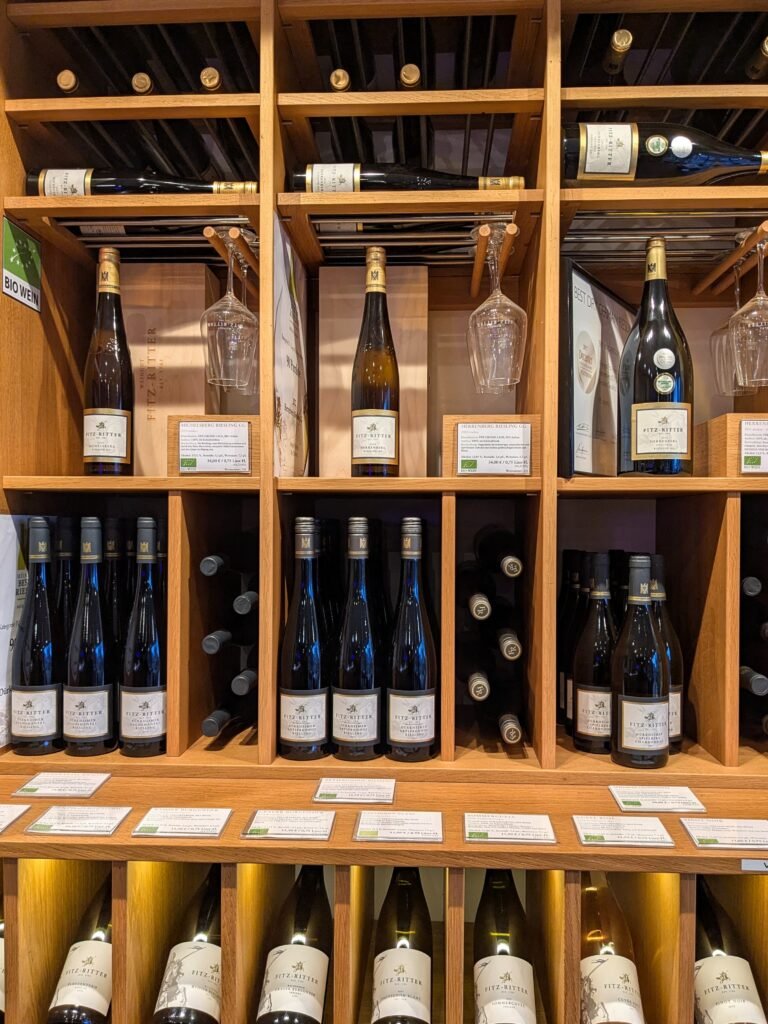
Today, the estate is fully certified organic, focusing on expressing the unique terroir of top sites like Dürkheimer Spielberg and Herrenberg.
The Tasting Experience
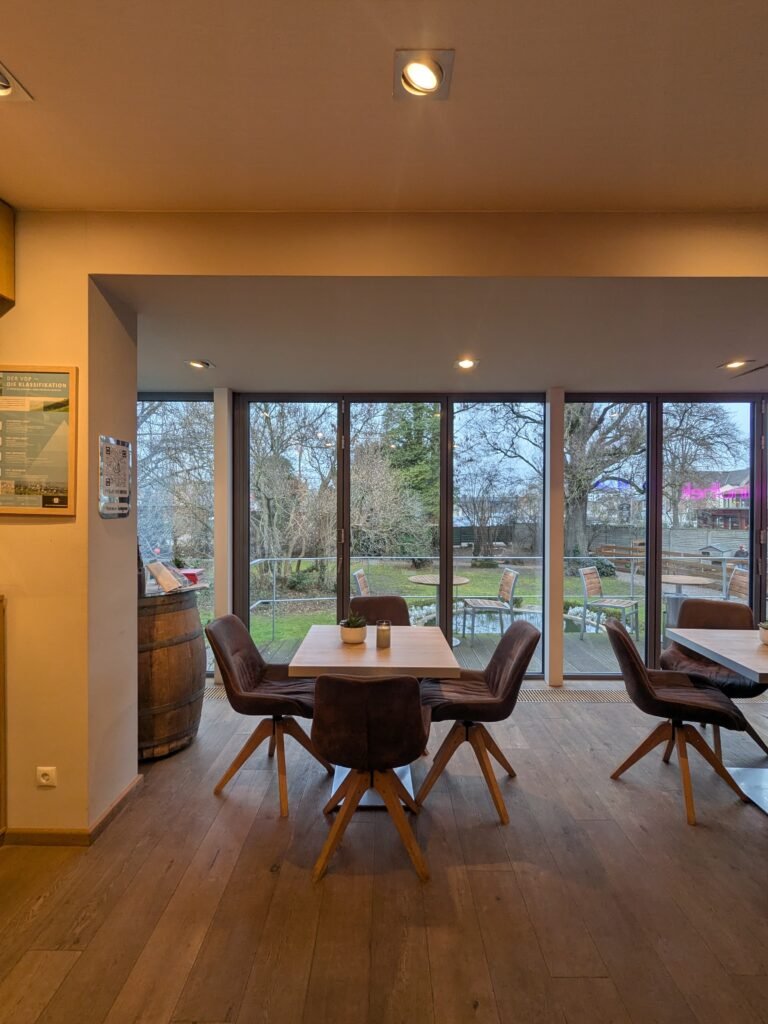
The estate immediately caught my attention with its elegant yet incredibly welcoming atmosphere. The tasting room is a cozy, modern space where you can slow down and truly connect with the glass in front of you.
As a sommelier, I was eager to taste how they balance historical legacy with contemporary wine-making:
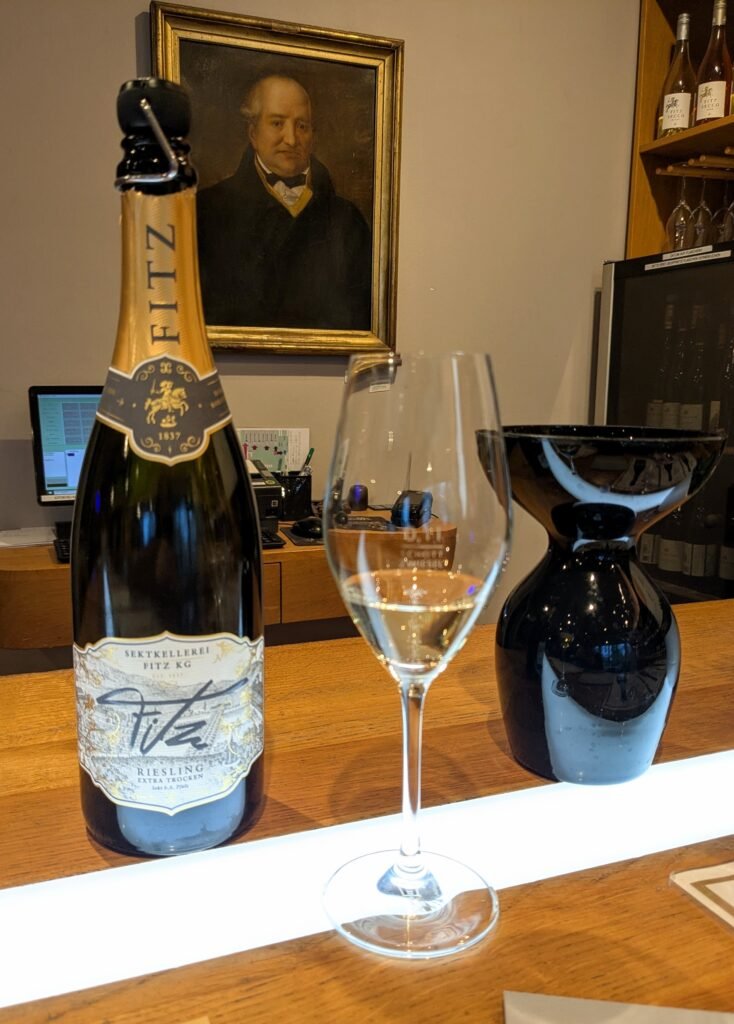
- Riesling Extra Trocken Sekt: A beautiful showcase of their sparkling heritage. Crisp, elegant, with fine bubbles and that classic, vibrant Riesling acidity.
- RebArena Riesling 2024: Fresh, youthful, and highly expressive. A wine that brings out the classic mineral and stone-fruit character of Pfalz Riesling.
- Pinot Rosé Brut: A refined and complex traditional-method sparkling wine. Creamy on the palate with delicate red berry notes and great structure.
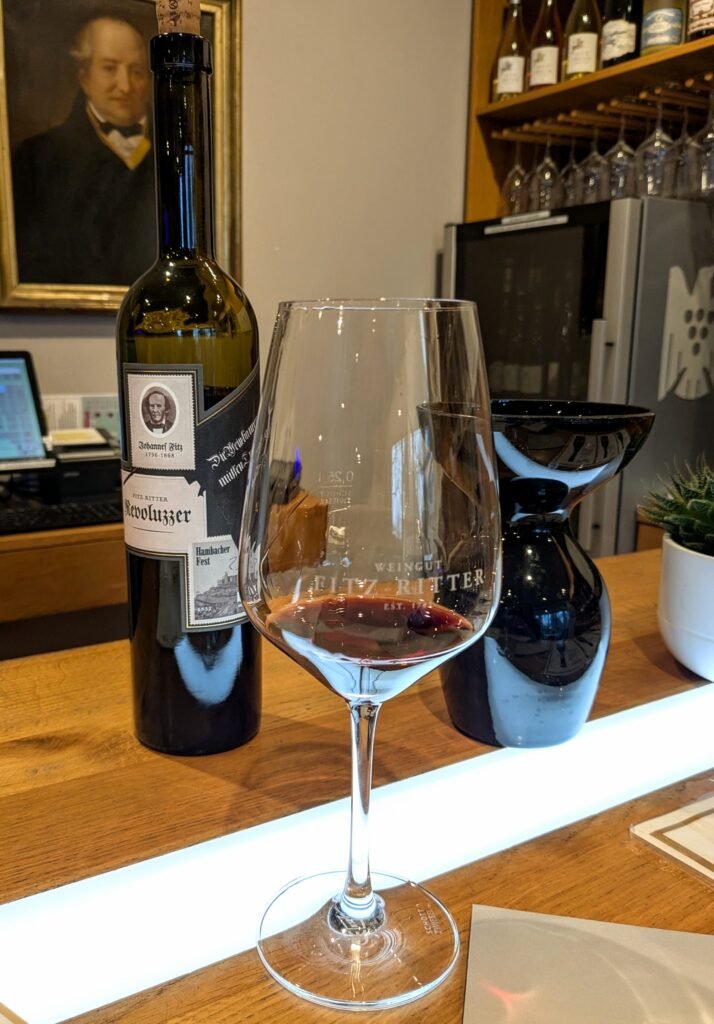
- Revoluzzer: A bold, characterful red blend. The name pays homage to the family’s historical role in the German democratic revolution of 1848, a glass of liquid history!
Exploring at My Own Pace: The Historic Cellar, Gardens, and Vineyards
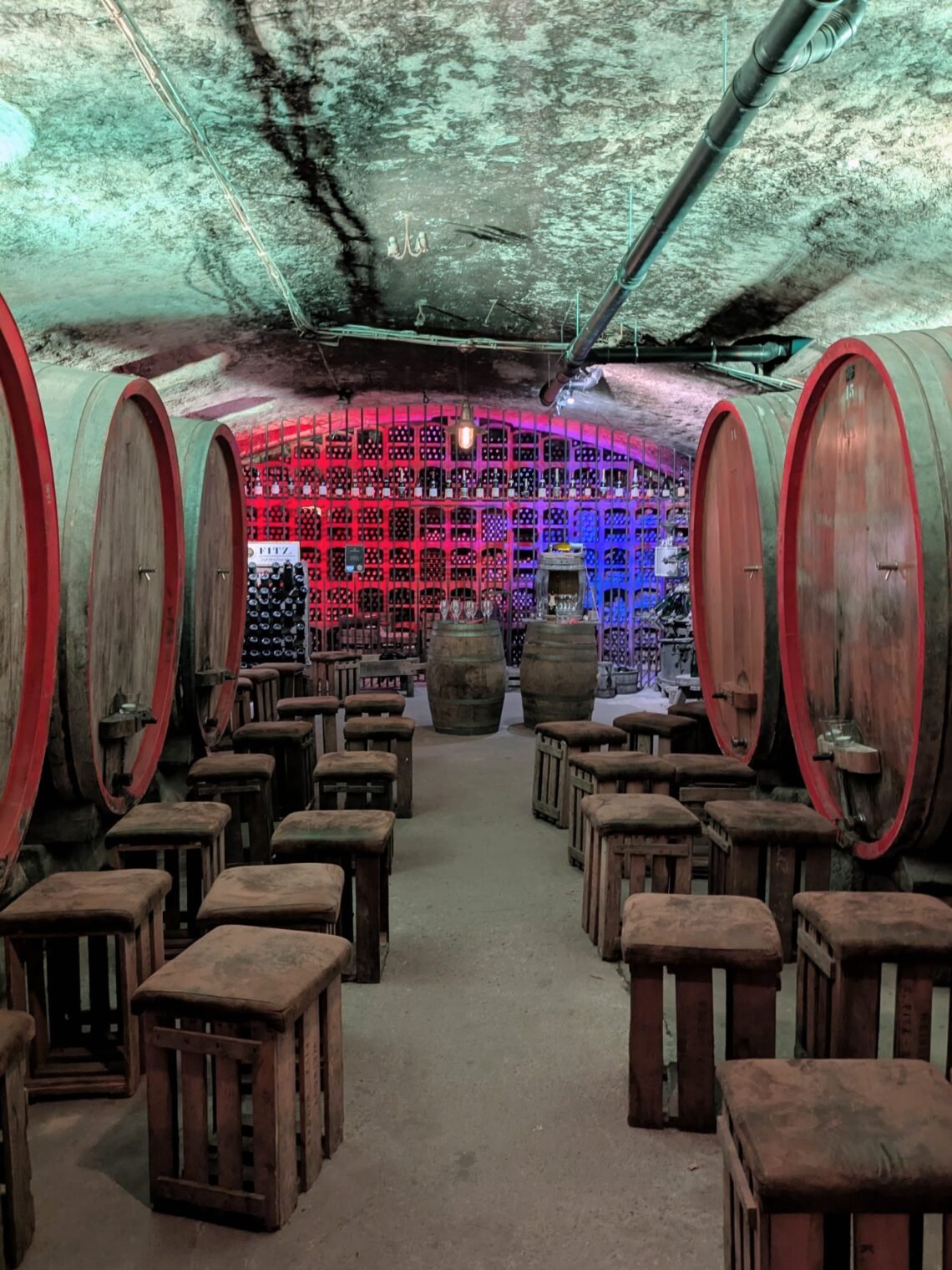
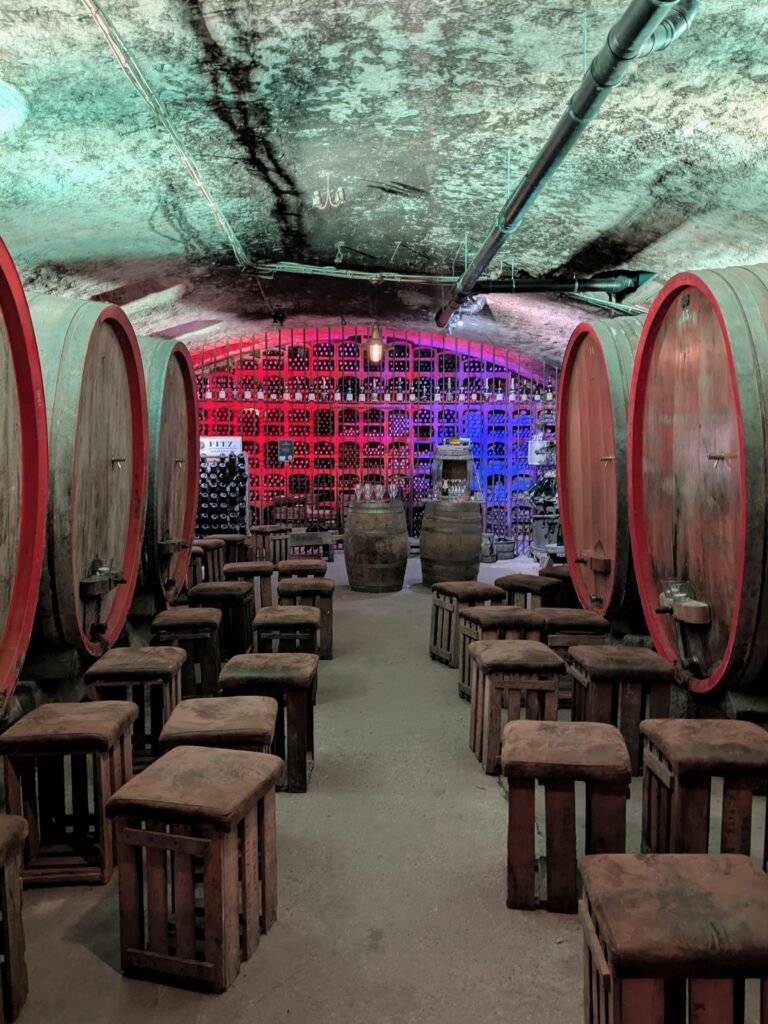
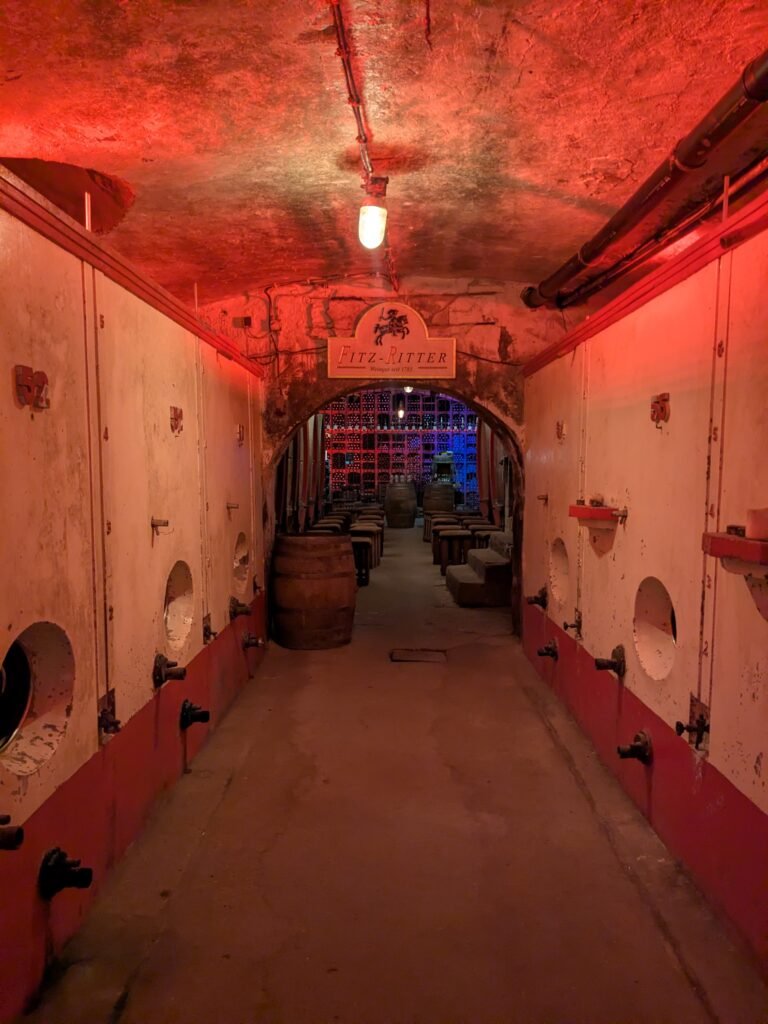
After the tasting, one of the highlights of my visit was being invited to step down into the historic underground cellar. What made this experience truly special was the freedom to embark on this subterranean journey completely on my own, at my own pace. Wandering through the cool, dimly lit vaults with no rush allowed me to fully absorb the history. While Fitz-Ritter’s modern production facilities are now located in a newer building, this historic cellar remains the atmospheric soul of the estate, where generations of sparkling wine bottles have rested silently on their lees.
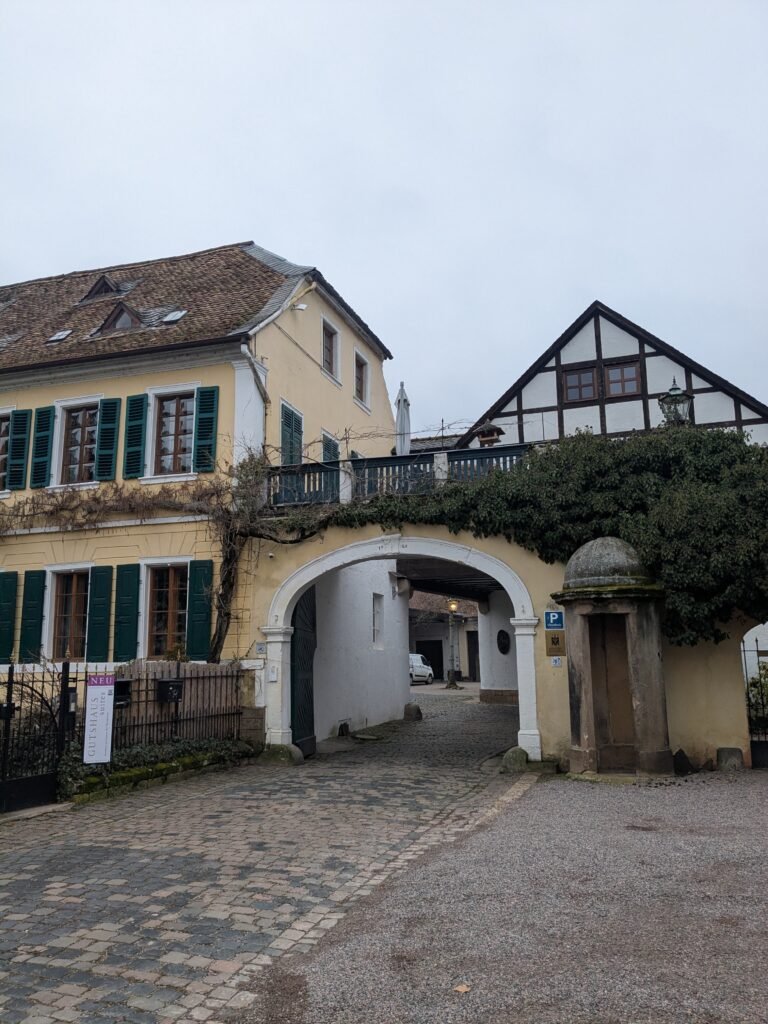
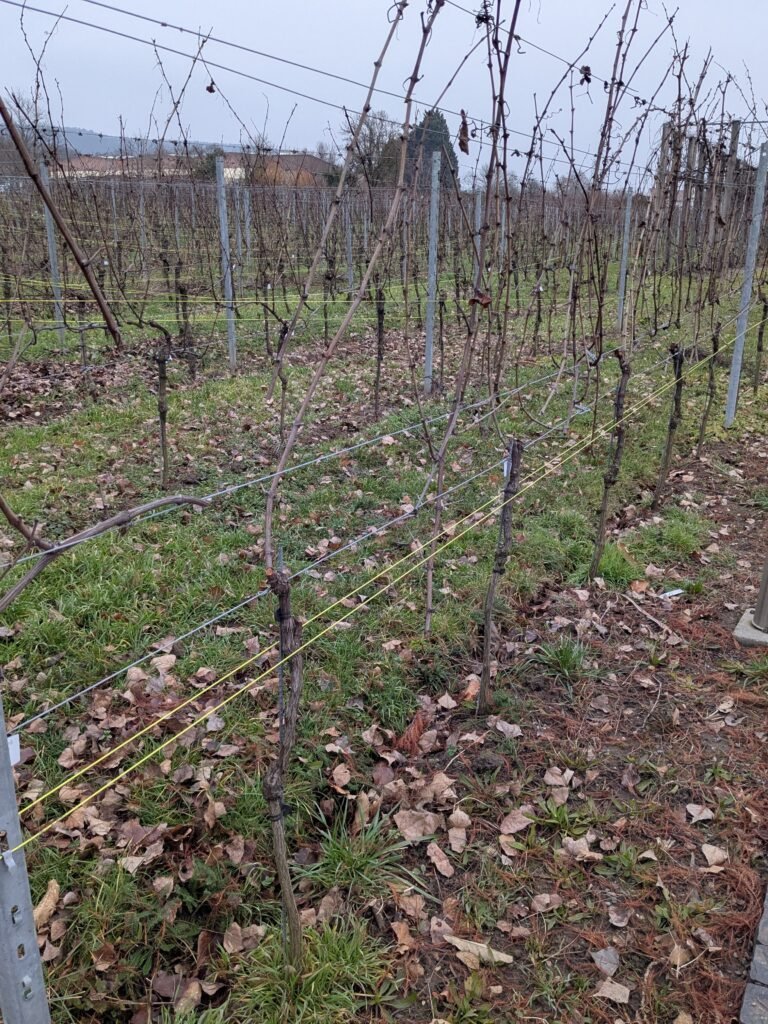
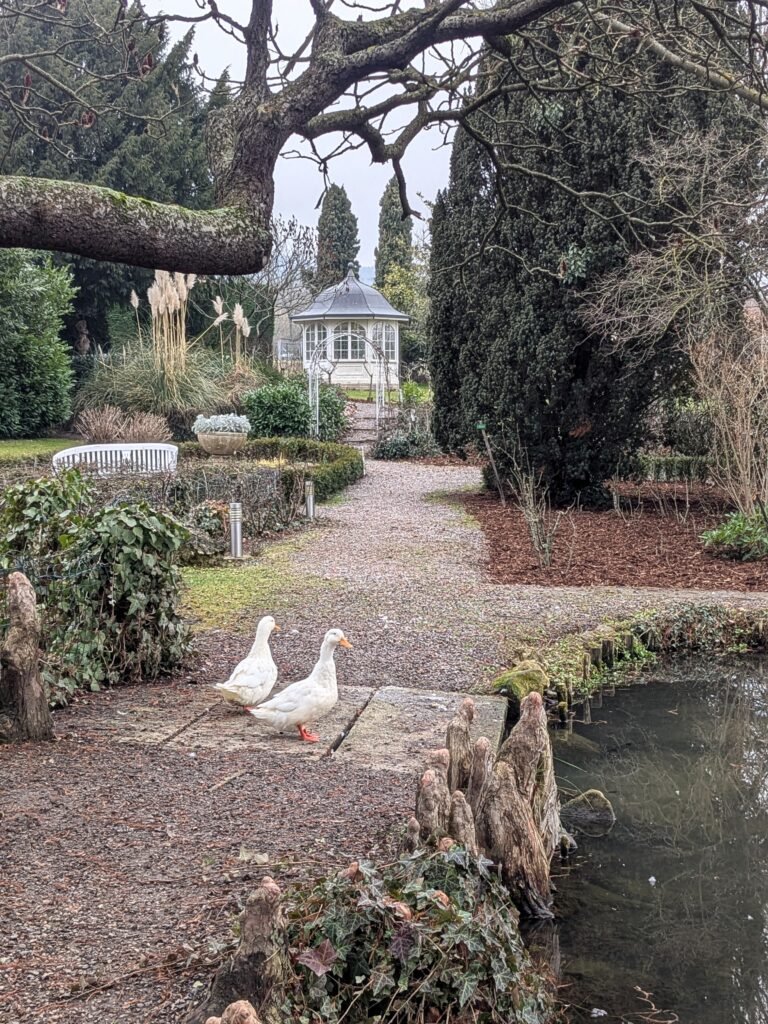
Once back above ground, the exploration continued outside. The winery is surrounded not only by beautiful, quiet gardens but also by the vineyards themselves, stretching right up to the estate. Walking through this peaceful setting, even in the winter dormancy of February, felt incredibly personal and restorative.
Looking Ahead: Spring and the Pink Sea of Almond Blossoms
While winter has a quiet, intimate magic, there is another season that transforms Bad Dürkheim into something straight out of a fairy-tale: spring.
From late February to early April, the entire German Wine Route celebrates the Pfälzer Mandelblüte (the Palatinate Almond Blossom season). During these weeks, thousands of almond trees burst into a vibrant flurry of pink and white flowers, signalising the official start of spring for the locals.
If you visit during this time, you can:
- Hike the Pfälzer Mandelpfad (Almond Trail): A gorgeous walking path that winds through the blooming trees and vineyards, offering breathtaking pink-and-green panoramic views.
- Experience the Weinbergnacht (Wine Mountain Night): Held in early March, this is one of the region’s most beloved open-air wine tastings. The vineyards are illuminated with modern pink light displays, creating a surreal, glowing landscape where you can walk from one winemaker’s stand to the next under the stars.
- Join the WeinWandel: A dynamic wine-themed spring hike through the vineyards, perfect for tasting fresh new vintages right where the grapes are grown!
Whether you prefer the cozy, contemplative silence of a winter cellar or the joyful, pink-dusted walks of spring, Bad Dürkheim and its historic estates like Fitz-Ritter are ready to welcome you with open arms and exceptional glasses.
A Final Tip for Wine Travellers
Whenever you visit local, historic wineries like Fitz-Ritter, the best way to reward the wonderful hospitality and dedication of the people who open their doors to us is to buy a few bottles to take home. Not only do you directly support the estate, but you also ensure that the journey continues long after you return.
Trust me, opening one of these bottles back home with friends or family, sharing the story of the cellar you stood in, is priceless, you definitely won’t regret it!
Visiting a winery in February has a unique magic. There are no crowded tasting bars or rushed tours. Instead, you get quiet landscapes, intimate cellars, and the time to truly listen to the stories behind the bottles. Fitz-Ritter is a beautiful testament to the wine culture of the Pfalz, a place where history, passion, and innovation meet in every glass.
If you enjoyed discovering Bad Dürkheim, complete your trip through the region by exploring the secrets of the legendary Müller-Catoir winery!


You May Also Like
Lucerne in One Day: A Fairytale Stop on the Water
Ultimate Guide to Mallorca: Must-Do in September

Leave a Reply